
Funding the gaps to find best sustainable solutions for urgent public health issues & care transformation


The case for health equity investment
Racial health disparities are a widespread issue across major U.S. cities. Among these cities, Chicago has the largest life expectancy gap. High rates of poverty, racial segregation, crime and health care inequity have the highest prevalence in south and west side neighborhoods. City and county public health and economic programs, in part supported by philanthropic investment are showing progress, yet it will take substantial investment to bridge the divide.
Tackling preventable & urgent public health issues
Our Mission
The Chicago Fund, with a primary focus on Greater Chicago, is committed to tackling preventable and urgent public health issues to improve health and well-being of communities impacted by health disparities.
Our Vision
We prioritize health equity and accessibility, working with our partners to achieve meaningful impact and sustainable change. Our goal — reduce the incidence of preventable illness and lessen severity of chronic disease. With productive collaborators and proven solutions, we can serve as a model for broader systemic healthcare transformation.
Key Focus Areas
-
We are committed to responding quickly to urgent gaps in care including food insecurity and immigrant health.
-
We are working to address healthcare access, disease prevention and care coordination for Chicago’s under-resourced communities.
-
By funding clinical infrastructure, technology, and care team integration, we help federally-qualified health centers (FQHCs) move from safety-net to high-performing, value-based health systems.
-
We are committed to maternal child health and family well-being.
-
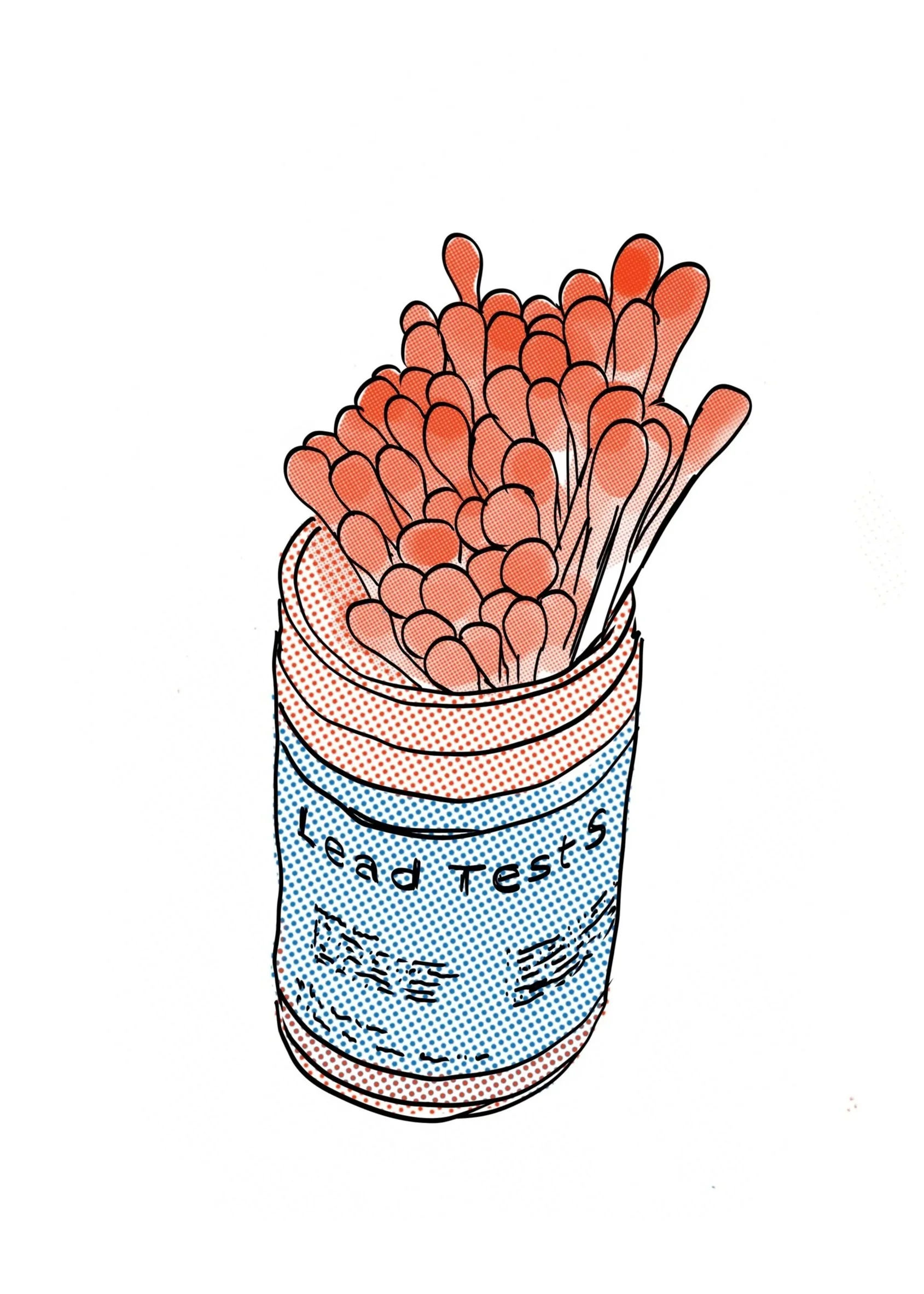
We are committed to address preventable lead poisoning in children though early and better detection and abatement. Babies and children are most often poisoned by ingesting or inhaling paint chips or dust contaminated with lead.
-
We are committed to expand access and availability to quality mental health care for children and adults.
Realizing better health & well-being for Chicagoans

“You have to always look for the root cause of the disease or the root cause of the problem, because if you don't get to root causes, you can never really adequately solve it.”
—Dr. David Ansell, M.D. MPH, Senior Vice President of Community Health Equity, Rush University Medical Center,
Associate Provost for Community Affairs, Rush University